Interning with Green Shoots Foundation
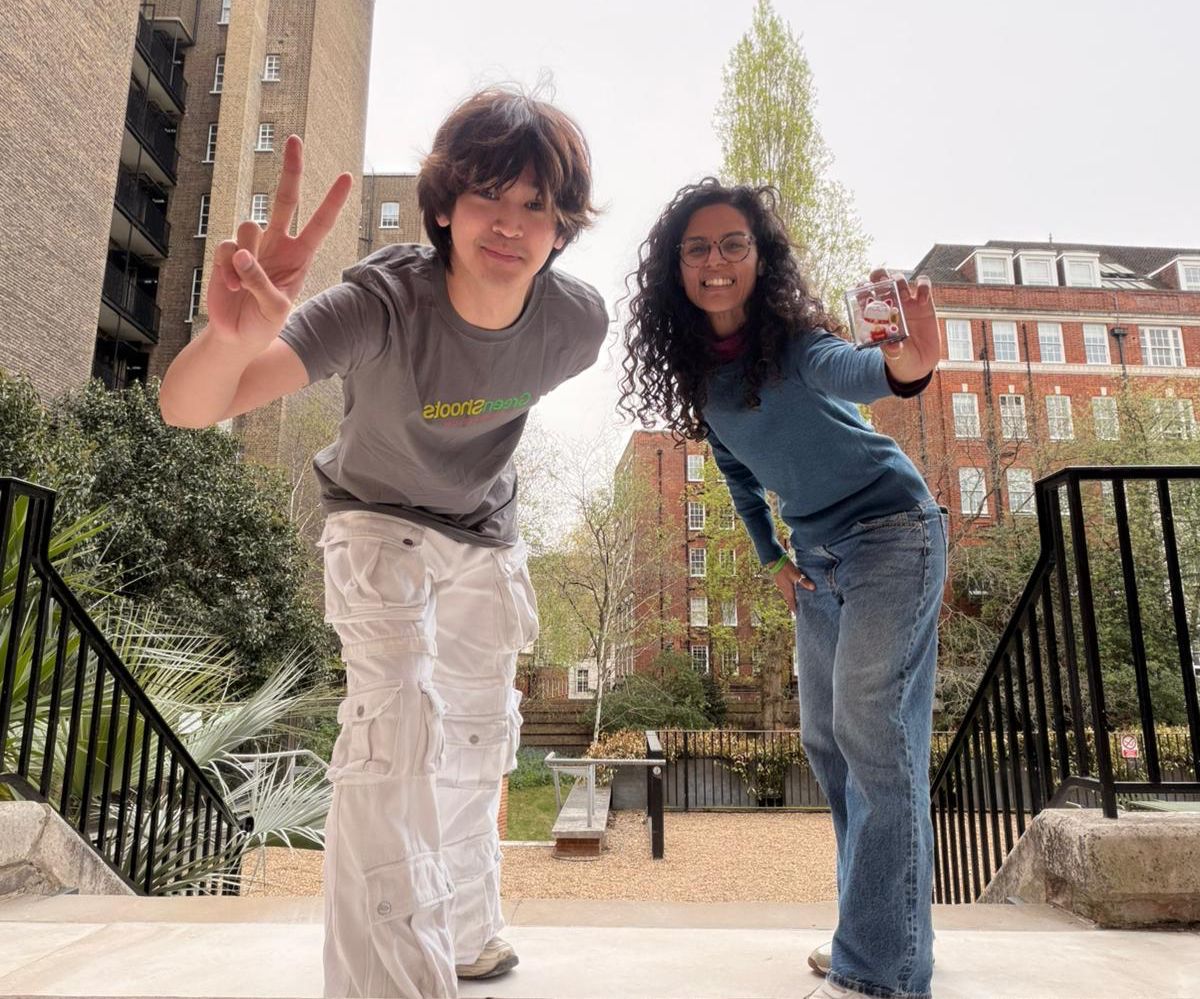
Derek Mai, an Undergraduate student at Boston University,on an exchange program in London, recently completed a spring internship with us. His tasks predominantly focused on research related to new projects for community support.Below is an account of his time with us, in his own words.
I recently completed my 6 week internship with Green Shoots Foundation, where I had the opportunity to work on projects related to agriculture, cooperative development, and impact assessment in Cambodia. As an Economics and Mathematics student at Boston University, I was especially interested in seeing how analytical work can support practical development initiatives and contribute to real community impact.
During my internship, my main focus was on poultry cooperative models and reporting frameworks. I worked on understanding how different cooperative structures — including input-credit, production, service, marketing, and linked cooperatives — can help smallholder farmers respond to challenges such as limited capital, low productivity, weak technical support, and poor market access. I also contributed to thinking through indicators of success, reporting plans, revolving fund structures, and presentation materials that could explain these models clearly to partners and funders.
What I found most valuable was that this work was never only about theory. A cooperative model may look clear on paper, but in practice it only becomes useful when it responds to real constraints faced by farmers: how to afford inputs, how to reduce mortality, how to access markets, and how to keep systems financially sustainable over time. This experience helped me better understand how important clarity, structure, and practicality are in development work.
One part of my experience that stood out was the working environment at the Royal Geographical Society (RGS), where Green Shoots Operations Manager is a fellow and we are able to use the space to work together. The building itself was inspiring — filled with historical maps, artworks, and exhibits that reflect the Society’s long-standing engagement with global exploration and research. It didn’t feel like a typical office; instead, it felt like working inside a place that constantly connects ideas, cultures, and history.
During my second-to-last week, my manager, Muneezay Jefferey, also invited me to join a guided tour of the RGS, alongside a group from the London Historical Association. This experience gave me a deeper understanding of the institution behind the organisation I was working with, and made me realise that this internship was not just about completing tasks, but about being part of a broader intellectual and cultural environment.
These moments changed how I viewed the internship. Rather than feeling like a routine or mundane office experience, it felt dynamic, diverse, and genuinely enjoyable. Being surrounded by people with international perspectives, and working in a space rich in history and meaning, made the experience much more engaging and memorable.
In my final week, Muneezay invited me to join a meeting with a board member actively involved in their project in Cambodia. This became one of the most memorable moments of my internship. Listening to people speak so vividly about living and working across different parts of the world, I was struck by how energised and curious they still were. They shared their experiences in places across China, the United States, and beyond, and it made me reflect on my own journey — being born in California, growing up in Beijing, studying in Boston, and spending time in London. That moment helped me see more clearly how these places have gradually shaped my identity and perspective.
Overall, this internship strengthened my interest in using analytical skills to support meaningful, real-world work. It also reminded me that the most inspiring work is often shaped not only by good ideas, but by openness, curiosity, and the people who make learning possible. I am very grateful to the Green Shoots team for welcoming me so warmly and for giving me the opportunity to learn from both the work itself and the community around it.